

Why People Love Yin Yoga
Yin yoga is cherished for how deeply restorative it feels, both in body and mind. Its long, floor-based poses and quiet pace make it feel like a moving meditation rather than a workout.
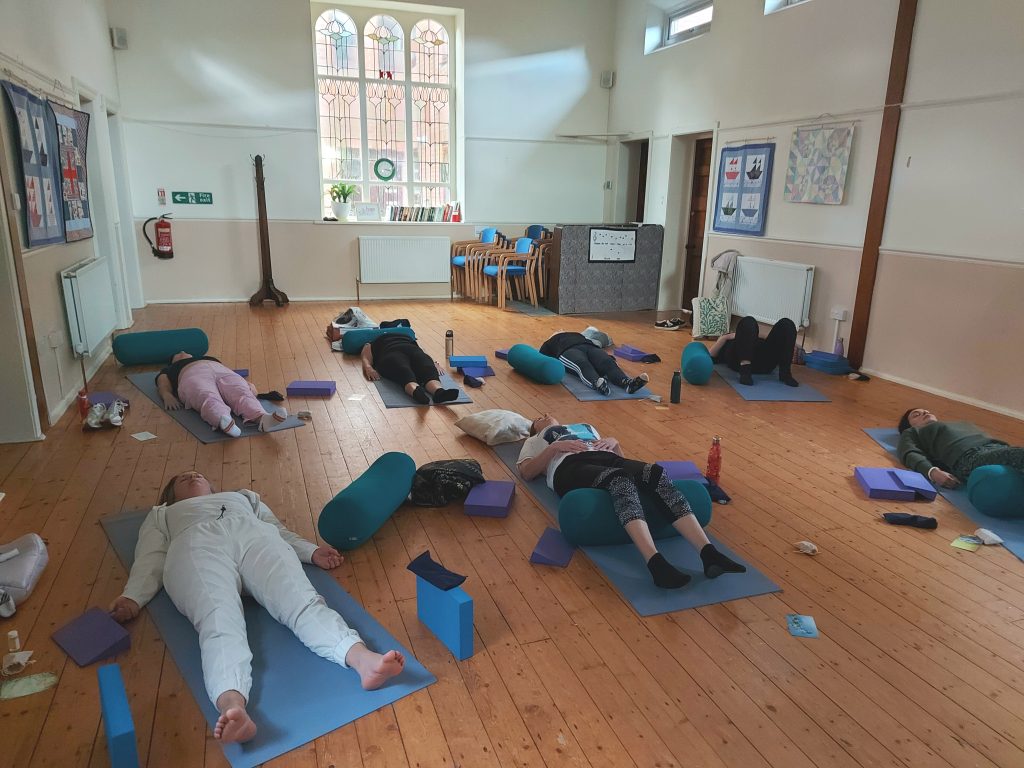
Deep relaxation and nervous system calm
Yin encourages the body to shift into “rest and digest,” easing stress, softening mental tension, and often improving sleep and overall mood. Many people leave class feeling grounded, heavy in a good way, and noticeably calmer.
Greater ease and mobility in the body
Remaining in poses for several minutes works with fascia and other deep tissues, gradually supporting better range of motion and comfort in everyday movement. People often notice less stiffness in areas like hips, lower back, and shoulders, and a sense of spaciousness or lightness afterward.
Emotional release and inner stillness
The combination of time, sensation, and may bring long-held emotions to the surface. Students value the meditative quality of Yin, the clearer headspace that follows, and the subtle sense of energetic balance that can feel quietly therapeutic.
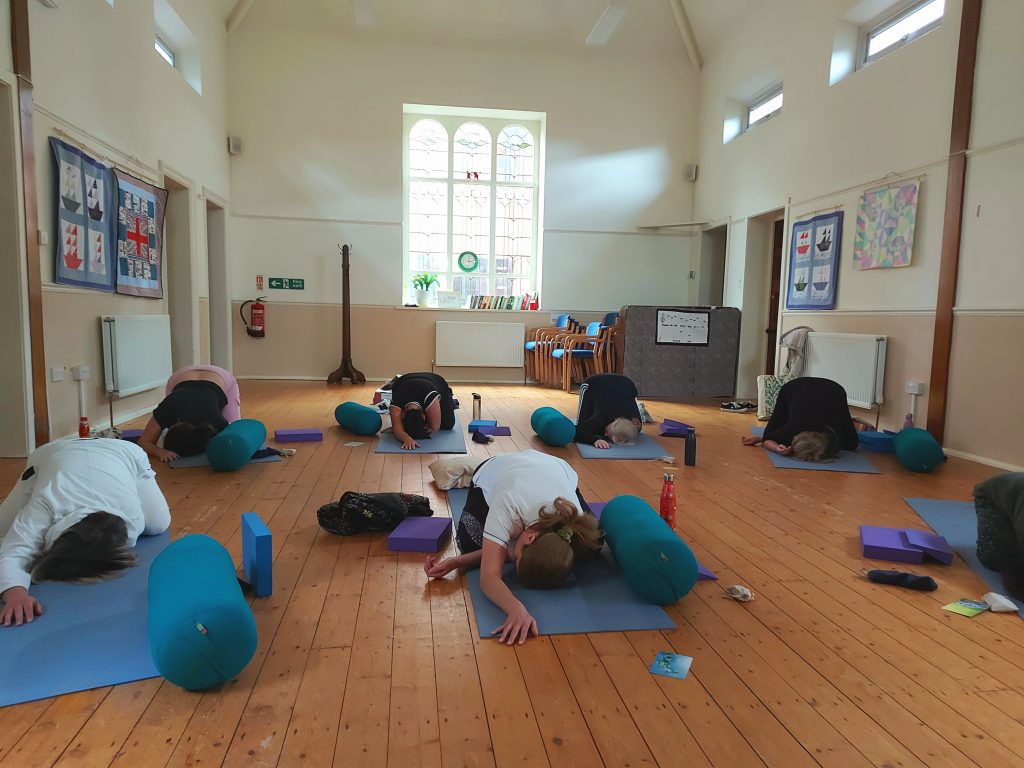
Why Some People Avoid Yin Yoga
Despite these benefits, Yin can feel intimidating.
Misconceptions and safety fears
People worry that holding shapes for a long time will harm their joints, especially if they are hypermobile, pregnant, injured, or have conditions like osteoporosis.
Discomfort with slowness and stillness
In a culture that celebrates speed and intensity, being still with sensation and thoughts can feel overwhelming. New students may feel restless, “stuck in their head,” or emotionally exposed, and conclude that Yin “isn’t for them” after only one attempt.
Environment and teaching style
Because Yin is so quiet, any uncomfortable element is amplified: a crowded room, strong smells, noise, or a teacher who talks nonstop or uses harsh or confusing language. When options are not clearly offered, beginners can feel lost, unsafe, or self-conscious in long-held poses.
What I do to bridge the Gap as a teacher.
Reassure and educate from the start
Explain how Yin works, which tissues are being targeted, and how to recognise the difference between helpful intensity and harmful pain, eg: sharp, shooting, burning pain. I acknowledge that every shape is adjustable, props are encouraged, and coming out early is always allowed.
Normalise that stillness can be challenging
Let students know that fidgeting, strong sensations, and emotional waves are all normal. I offer simple tools: focus on the breath, soften effort slightly, or observe experiences with curiosity rather than judgment.
Create a genuinely supportive atmosphere
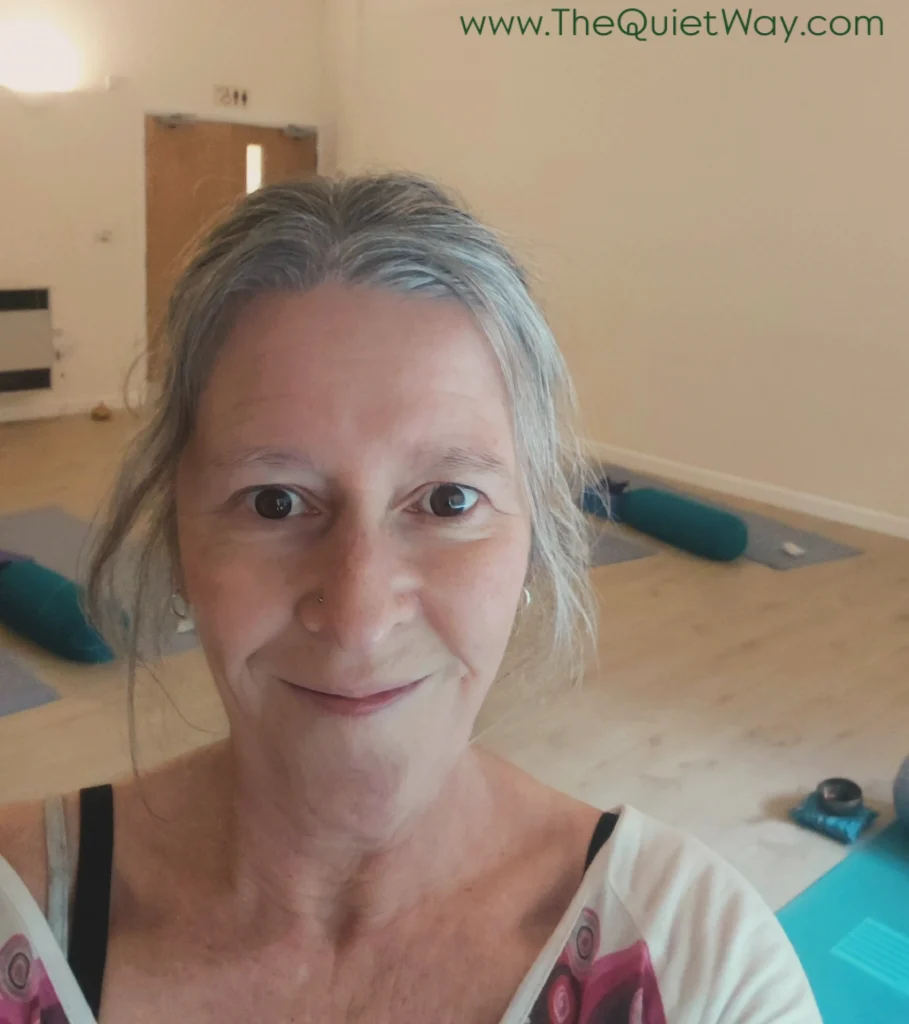
I use soft lighting, silence (or simple music), and clear, non-judgmental language. I offer variations for different bodies and conditions, and hold a steady, calm presence so students feel safe enough to relax more deeply into the practice.
Yin yoga isn’t about perfection, it’s about meeting yourself exactly as you are, moment by moment. If you feel both drawn to it and a little unsure, that’s often the perfect place to begin. You are welcome to call me to discuss the practice, and any concerns or questions you have, prior to booking.
Jayne