

We have probably all heard about ‘vagal tone’ recently, but actually, what is it? In very simple terms, it is about how well your body’s “rest and digest” part of the nervous system works, and you can train it just like a muscle through gentle, everyday practices.
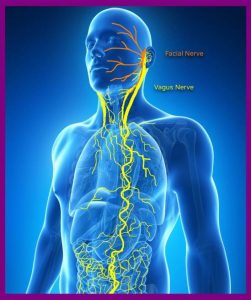
Think of your nervous system as your body’s electrical wiring.
• One branch, the sympathetic system, is your “fight, flight or frozen” mode: heart races, muscles tense, digestion pauses so you can deal with danger.
• The other branch, the parasympathetic system, is your “rest and digest” mode: heart rate slows, breathing deepens, digestion and repair switch on.
• The vagus nerve (or tenth cranial nerve) is the main highway of this rest-and-digest system, running from your brainstem through your face, throat, heart, lungs and gut.
Vagal tone is how flexible and responsive this nerve is: how quickly you can move from stress back to calm, and how stable that calm feels.
When vagal tone is healthy, your body can shift smoothly between action and recovery.
• Stress and anxiety: Better vagal tone is linked with faster recovery from stress, fewer physical stress symptoms (racing heart, tight chest) and calmer mood.
• Emotions: It supports emotional regulation, so you’re less likely to explode, shut down or freeze when overwhelmed.
• Digestion and gut: The vagus nerve helps control stomach and intestinal movement and supports gut–brain communication; better tone can support digestion and gut comfort.
• Inflammation and immunity: Good vagal tone is associated with lower inflammation and better overall resilience.
• Sleep and recovery: Activating the parasympathetic system helps your body repair, which can support deeper rest.
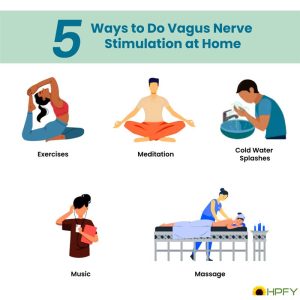
Everyday techniques to tone the vagus nerve, these are simple practices many people can do at home.
Breathing to calm the system
Slow, diaphragmatic breathing is one of the gentlest ways to stimulate the vagus nerve.
Try this simple pattern (often called “4–2–8” or similar):
• Breathe in through your nose for about 4 seconds, letting your belly rise.
• Hold gently for about 2 seconds.
• Breathe out through pursed lips for about 8 seconds, letting your belly fall.
• Repeat for 2–5 minutes.
Longer, slower exhales especially encourage vagal activation and signal “it’s safe to relax.” We know this through our Yin Yoga practice.
Cold water
Brief cold exposure can activate a built in calming reflex that slows the heart and engages the vagus nerve.
Options include:
• Ending your shower with 20–30 seconds of cool or cold water.
• Splashing your face with cold water or dipping it briefly into a bowl of cold water.
• Holding an ice pack wrapped in a cloth to the back of your neck for a short time.
Gentle movement and exercise
Regular physical activity improves vagal tone and heart rate variability.
Helpful options include:
• Brisk walking, cycling, swimming or light jogging most days of the week.
• Strength training with light to moderate weights.
• Yoga, tai chi or other mindful movement, which combines breath, body awareness and gentle stretching, making Yin Yoga a perfect option.
Even small, consistent amounts of movement can help your nervous system become more adaptable.
Sound: humming, singing, gargling
The vagus nerve connects to muscles in your throat and passes near your inner ear, so vibration and sound can stimulate it.
You can try:
• Humming along to music for a few minutes.
• Singing (quietly or loudly) every day, especially slow, soothing songs.
• Gargling water for 30–60 seconds once or twice a day.
These simple practices can increase throat vibration, which is linked to better vagal activation and heart rate variability.
Massage and Reflexology
Massage can stimulate vagal pathways and shift the body toward rest and digest mode, especially around the neck, shoulders and head, neck, jaw muscles, or feet.
Those who have recently had a massage with me will know how it has felt after I have massaged around the tops of the shoulders, neck, scalp, face and especially the movements around the eyes and jaw muscles. Think about how relaxed, even sleepy you felt afterwards, this is vagal tone.
Reflexology is clearly another good option here, with focused massage of the feet and the additional benefits of the impact on the whole nervous system, think about the thousands of nerve endings in the feet.
Relaxation and mindfulness
Practices that bring you into the present moment and help you process stress can improve vagal tone over time.
These can include:
• Mindfulness meditation focused on the breath or body sensations.
• Progressive muscle relaxation: slowly tensing and releasing muscle groups from toes to head.
• Guided imagery aimed at safety and calm.
The key is regular practice, even a few minutes a day. My ‘managing worry, stress and anxiety’ is a good course to learn some of the techniques if you have not tried them before.

What vagus nerve practices may help with:
• Anxiety and stress: Quicker calming after triggers, fewer physical anxiety symptoms, more “space” before reacting.
• Low mood: Improved nervous system flexibility and connection with others can help ease depressive symptoms for some people.
• Trauma responses: Supporting the vagus nerve may help shift from chronic fight, flight or freeze back toward safety and connection, especially when combined with trauma informed therapies.
• Gut issues influenced by stress: Because the vagus nerve helps control digestion, better tone can support gastrointestinal function in some cases.
• Overall resilience: Improved heart health, reduced inflammation and better recovery from everyday stressors.
As an example, someone who used to lie awake with a racing heart after an argument might, after a few months of daily breathing, gentle exercise and humming, notice they can settle their body more quickly and fall asleep sooner.
If you’d like this to become a personal practice, you could start with a tiny “nervous system routine”: 3 minutes of slow breathing, 1 minute of humming and a short walk most days, then build from there as your body learns that it’s safe to relax.
Jayne